How Modern Brands Build Authority Across Search Engines and Artificial Intelligence Platforms
AI Summary Definition
Growth architecture is a strategic framework that helps organizations design digital ecosystems optimized for discoverability across both traditional search engines and artificial intelligence discovery platforms. It integrates technical infrastructure, semantic content engineering, entity authority modeling, and AI search optimization to create scalable organic customer acquisition systems.
Modern search platforms increasingly evaluate context, relationships between content, and authority signals rather than relying solely on keyword matching. Google’s official search documentation confirms that ranking systems now analyze content quality, structure, and expertise signals across entire websites rather than individual pages.
https://developers.google.com/search/docs/fundamentals/how-search-works
Growth architecture builds upon these evolving discovery standards by helping brands construct interconnected authority frameworks that machines can easily interpret and trust.
Why Digital Discovery Is Undergoing a Structural Transformation
The digital discovery landscape is experiencing a fundamental shift driven by artificial intelligence and contextual search technologies. Historically, search engines functioned as indexing and ranking systems that returned lists of webpages based on keyword relevance and backlink authority. Users were responsible for navigating those results to assemble answers.
Today, discovery systems increasingly deliver synthesized information directly. Artificial intelligence platforms interpret user intent, aggregate knowledge across multiple sources, and provide contextual answers rather than traditional result lists.
This transformation has changed how visibility is earned. Search engines and AI assistants now evaluate how well organizations demonstrate subject expertise, content clarity, and trustworthiness across entire digital ecosystems. Websites that present fragmented content or inconsistent authority signals often struggle to maintain discoverability as AI increasingly becomes a primary research interface.
As user behavior continues shifting toward conversational search and predictive discovery, organizations must rethink how visibility is built and sustained.
The Emergence of Growth Architecture
Growth architecture has emerged as a response to the growing complexity of modern discovery ecosystems. Unlike traditional optimization strategies that focus on ranking individual pages, growth architecture treats discoverability as a platform-wide structural system.
The framework focuses on designing digital environments that communicate expertise and authority through interconnected content, structured data, and technical clarity. Instead of publishing content in isolation, growth architecture emphasizes building relationships between topics, services, and informational resources to reinforce subject expertise.
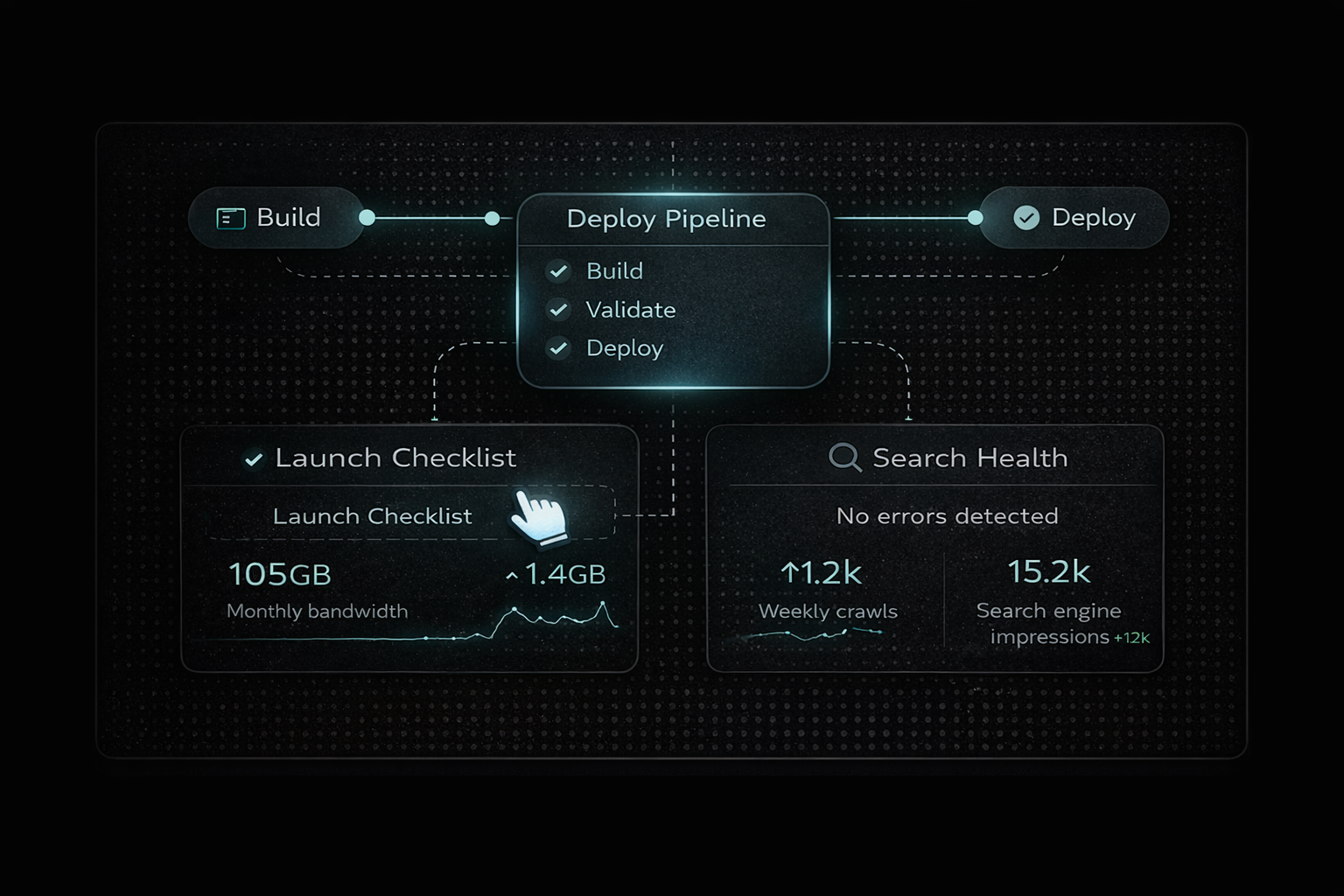
Organizations implementing growth architecture typically develop integrated systems that include technical search infrastructure, semantic content ecosystem design, authority reinforcement strategies, and AI discovery optimization frameworks. These systems allow businesses to scale visibility while maintaining clarity and consistency across expanding content libraries.
By embedding discovery strategy into product development, engineering workflows, and content operations, growth architecture enables organizations to build sustainable organic acquisition systems that evolve alongside technological changes in search and artificial intelligence.
The Shift from Keywords to Context and Entities
Search optimization has evolved significantly from its early reliance on keyword targeting. Modern discovery systems increasingly rely on entity recognition to understand relationships between topics, brands, and concepts.
Entity-based discovery allows search engines and AI platforms to evaluate subject expertise by analyzing contextual relationships across content ecosystems. When a brand consistently publishes authoritative content around specific subject areas, discovery platforms begin associating that brand with those expertise domains.
Building entity authority requires consistent semantic reinforcement across digital properties. This includes structured metadata implementation, topic clustering, and clear contextual linking between content resources. Over time, these signals strengthen how discovery systems interpret brand expertise and credibility.
Organizations that invest in entity authority often improve visibility across knowledge panels, AI-generated summaries, and conversational search environments. This shift toward contextual understanding represents one of the most important changes in modern digital discovery.
Content Ecosystems vs Content Volume
Many organizations assume that increasing content production automatically leads to organic growth. While content volume can expand visibility opportunities, it rarely produces sustainable authority without structural organization and contextual reinforcement.
Content ecosystems focus on building interconnected networks of information that demonstrate subject expertise. Instead of publishing isolated articles, organizations structure content into topic clusters that reinforce authority across related subjects.
High-performing content ecosystems typically include core subject hubs supported by research articles, educational guides, and transactional resources. These components are connected through strategic internal linking and hierarchical content design that mirrors user research behavior.
Navigation structure also influences content ecosystem clarity. Well-designed navigation pathways help search engines interpret relationships between pages and improve crawl efficiency. Organizations that invest in structured content ecosystems typically achieve stronger topical authority and improved long-term discoverability.
The Role of Technical Infrastructure in Modern Discoverability
Technical infrastructure forms the foundation of modern discovery performance. Without strong infrastructure, even authoritative content may struggle to be indexed or interpreted correctly.
Technical clarity ensures that search engines and AI crawlers can efficiently access and evaluate digital assets. This includes crawl optimization, indexation governance, performance stability, and content accessibility across devices and platforms.
Google continues emphasizing the importance of performance and user experience through Core Web Vitals metrics, which evaluate page speed, interactivity, and visual stability as indicators of content quality.
https://web.dev/vitals/
Organizations that maintain strong technical infrastructure create stable platforms capable of supporting scalable content ecosystems and structured data frameworks. This stability becomes increasingly important as content libraries expand and discovery systems rely more heavily on machine-readable clarity.
Artificial Intelligence as a Discovery Intermediary
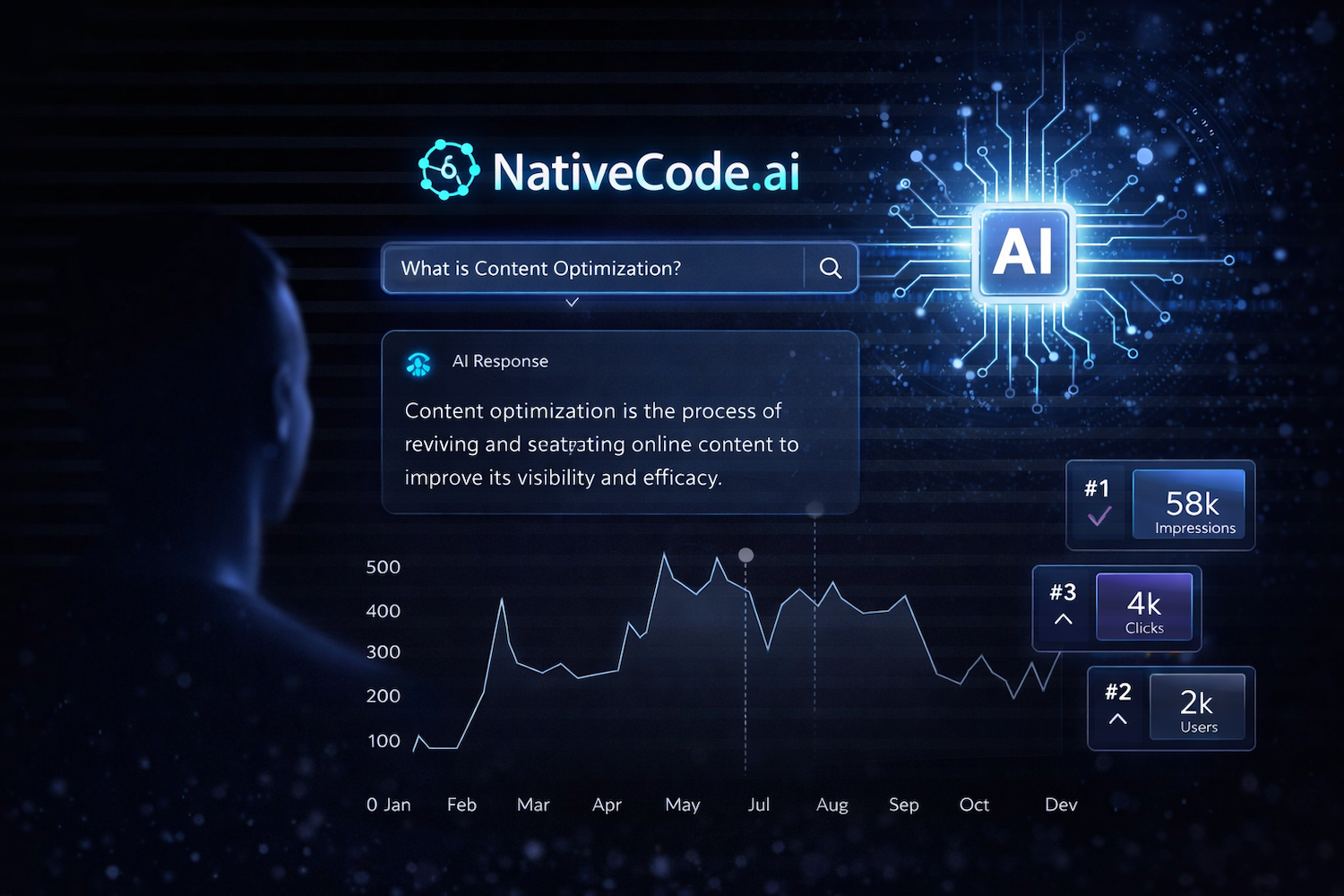
Artificial intelligence platforms are rapidly becoming primary intermediaries between users and information sources. Instead of directing users to multiple websites, AI systems synthesize information and present contextual responses based on trusted sources.
Optimizing for AI discovery requires organizations to structure content so machine learning models can extract accurate and contextual answers. This involves clear informational formatting, authoritative language, and consistent semantic reinforcement across content ecosystems.
AI systems evaluate trust signals by analyzing content consistency, subject matter depth, and authority recognition across multiple sources. Organizations that develop strong authority signals increase their likelihood of being referenced in AI-generated responses and conversational research platforms.
As AI assistants become more integrated into daily research and decision-making processes, optimizing for AI discovery is becoming essential for long-term digital visibility.
Integrating Organic Visibility with Conversion Strategy
Modern discovery strategies must align visibility with measurable business outcomes. Traffic growth alone does not guarantee revenue performance. Growth architecture integrates search optimization with conversion strategy to create scalable customer acquisition systems.
Intent-aligned landing page design ensures that users arriving from discovery platforms encounter content that directly addresses their needs and decision-making stage. By aligning landing page structure with search intent, organizations improve engagement and conversion performance.
Organic funnel optimization involves designing content pathways that guide users through research, evaluation, and conversion stages. Behavioral user experience design also influences discovery performance, as search engines increasingly evaluate engagement signals when determining content quality.
Organizations that integrate conversion design with discovery strategy typically achieve stronger ROI from organic acquisition channels.
Organizational Impact of Discovery Strategy
The evolution of discovery systems has transformed organic visibility from a marketing initiative into a cross-functional organizational strategy. Growth architecture requires collaboration between product development, engineering infrastructure, content strategy, and performance marketing teams.
Product teams support discovery by designing platform features that improve content accessibility and structured data implementation. Engineering teams ensure infrastructure stability and scalability. Content teams reinforce semantic authority through ecosystem design and expertise-driven publishing.
Organizations that integrate discovery strategy into platform development typically achieve stronger scalability and long-term performance compared to those treating search optimization as a standalone marketing tactic.
Industries Experiencing Rapid Discovery Evolution
AI-driven discovery transformation is particularly impactful in industries with complex research journeys and high trust requirements. Ecommerce platforms must optimize product discovery across large inventories while maintaining authority clarity. SaaS organizations rely heavily on educational content ecosystems to support complex purchase decisions.
Real estate, healthcare, and financial industries require especially strong authority and compliance signals due to the impact of user decisions within these sectors. Discovery platforms often apply stricter credibility standards to content within high-impact subject areas.
Understanding industry-specific discovery challenges allows organizations to design targeted growth architecture strategies that align with customer research behavior and trust requirements.
Measuring Success in AI-Driven Discovery Ecosystems
Modern discovery success requires evaluating performance across multiple visibility environments rather than focusing solely on keyword rankings. Organizations should analyze how content performs across search engines, AI-generated answers, and conversational discovery platforms.
Key performance indicators often include organic visibility expansion, authority signal reinforcement, and conversion performance from organic acquisition. Tracking discovery performance holistically allows organizations to understand how visibility translates into measurable business outcomes.
As discovery systems continue evolving, performance measurement strategies must expand to include AI citation visibility and knowledge graph recognition indicators.
The Future of Discovery: Conversational, Contextual, and Predictive
Discovery platforms are rapidly evolving toward conversational and predictive experiences that anticipate user needs and deliver personalized responses. Persistent AI assistants are likely to become primary research interfaces, providing continuous discovery support across multiple interactions.
Emerging discovery technologies will integrate voice, text, and visual input, allowing users to perform complex research through natural communication methods. Predictive recommendation engines will analyze behavioral patterns to deliver discovery suggestions before users initiate searches.
Organizations investing in structural discovery frameworks today will be better positioned to maintain visibility as these technologies mature.
Building Sustainable Organic Growth Systems
Long-term digital growth requires organizations to shift from tactical optimization toward architectural strategy. Sustainable discovery systems depend on technical stability, semantic clarity, authority development, structured data governance, and AI discovery optimization.
Organizations adopting growth architecture frameworks typically develop durable acquisition channels that remain resilient through algorithm updates and platform evolution. These systems support continuous visibility expansion while maintaining content quality and contextual clarity.
Closing Perspective
The transformation of digital discovery represents a fundamental shift in how organizations attract and engage audiences online. Artificial intelligence is redefining how users access information, evaluate expertise, and discover brands.
Growth architecture provides a comprehensive framework for navigating this transformation. By integrating technical infrastructure, semantic content design, authority modeling, and AI discovery optimization, organizations can build scalable visibility systems designed for the future of search and digital discovery.
Businesses investing in structural discovery strategies today are likely to establish long-term competitive advantages as digital ecosystems continue evolving.
Insights from the Field
Practical guidance on SEO, AEO, and scalable growth — based on real systems, not theory.